Charleston, SC
Wasp, Hornet & Yellow Jacket Control in Charleston, SC
Diamond Pest Pro treats wasps, hornets, and yellow jackets in Charleston, SC from our branch at 709 Tennent St. That covers paper wasp nests under porch and piazza ceilings, yellow jacket nests in the lawn, and carpenter bees boring into porch wood. We find each nest, treat it with the right method for the species, and remove it once the colony is down. Call (843) 852-1350 for a free inspection.
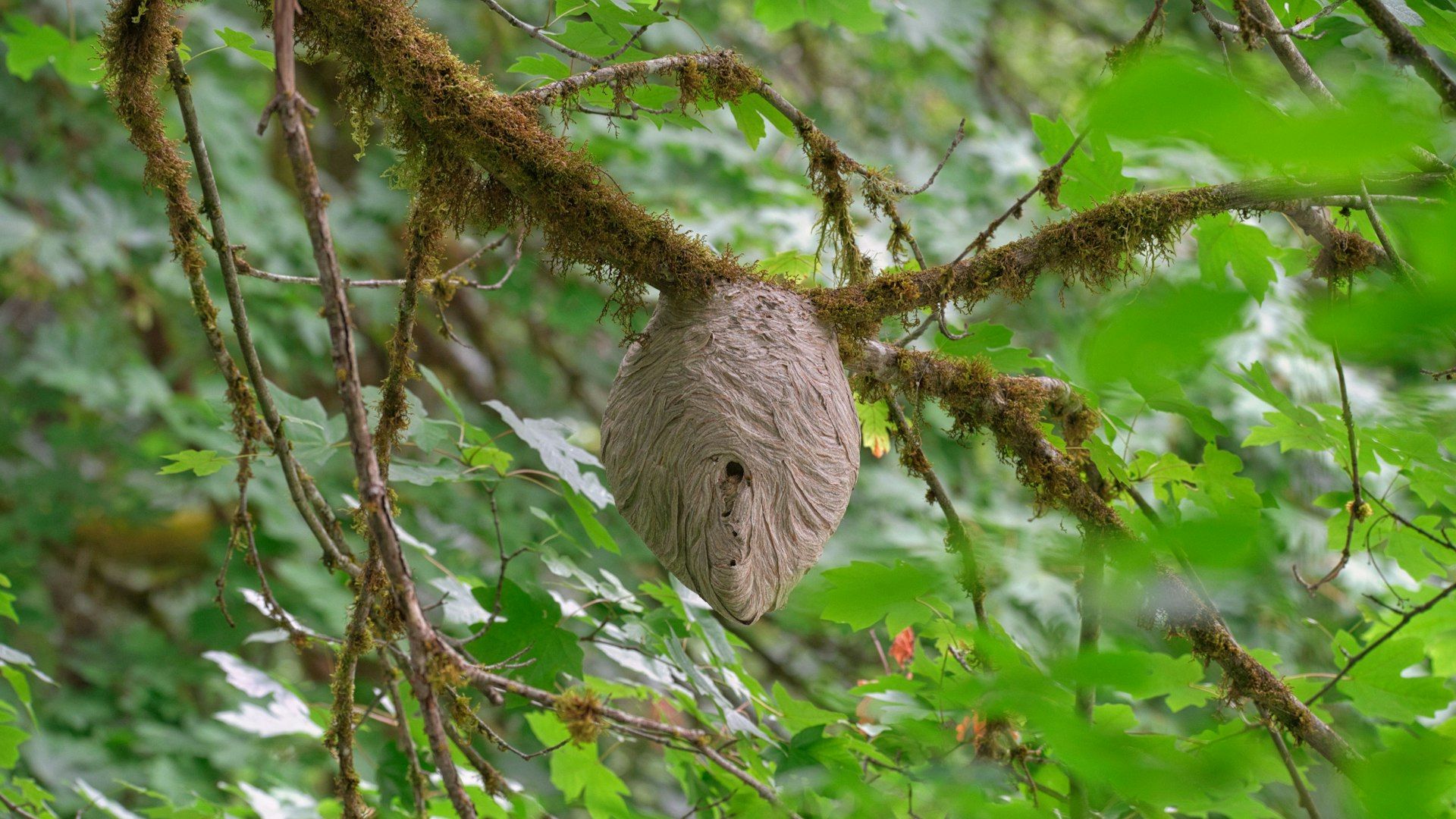
Where Charleston wasps and yellow jackets build
Paper wasps love the porch ceilings and piazzas on older peninsula homes. A deep, shaded piazza ceiling stays dry and out of the wind, so a queen can start an open, umbrella-shaped nest there in spring and have a busy colony by early summer. We also find them in door and window frames, under deck railings, and along the roof overhangs of homes in West Ashley and Mount Pleasant.
Yellow jackets are a different problem. They usually nest underground, in an old rodent burrow or a gap under a paver or a tree root, so you do not see the nest until someone mows over it. Clemson's state entomologist names July and August as peak yellow jacket season in South Carolina, which is when colonies are largest and most defensive in Lowcountry lawns.
Carpenter bees round out the Charleston list. They bore perfectly round holes into unpainted or weathered wood, and porch rails, fascia boards, and the exposed rafter tails on older homes are favorite spots. They come back to the same wood each spring, so the damage adds up if the galleries are left alone.
A long season, and what the plan covers
The Lowcountry's long warm season gives stinging insects more time to build than they get farther inland. Queens start nests in spring, colonies keep growing through the hot months, and activity stays high into fall. A paper wasp nest knocked down while it is the size of a coin is a much smaller job than one left until August.
Wasps and yellow jackets are covered by our 3 Zone Protection Plan, which treats the yard, the perimeter, and the interior and starts at $269 initial and $45 per month. Paper wasp and mud dauber nests are removed during regular perimeter service. Hornet nests and big ground nests take more work, so we inspect and give you a free quote before we start.
Signs you have a problem
- Visible nests under eaves, rooflines, porches, railings, or in shrubs and trees
- Increased wasp or hornet activity near doors, windows, or outdoor eating areas
- Perfectly round holes about half an inch wide in decks, fascia boards, or siding
- Yellow jackets entering and exiting a hole in the ground or a gap in your siding
- Aggressive insect behavior when you approach a certain part of your property
- Sawdust-like frass or yellow staining on wood below carpenter bee holes
- Tube-shaped mud nests on exterior walls, ceilings, or under overhangs
Our treatment process
- 1Contact Diamond Pest Pro for a free inspection and estimate
- 2Our technician identifies the species and locates nests, entry points, and areas of activity
- 3We treat each nest with the safest effective method and remove it once the colony is down
- 4Carpenter bee galleries are treated and the holes addressed to stop further wood damage
- 5Ongoing prevention through our 3 Zone Protection Plan knocks down nests before they grow
Your Charleston team
Stinging Insect Control in Charleston FAQ
Who removes wasp and hornet nests in Charleston, SC?
Diamond Pest Pro removes wasp, hornet, and yellow jacket nests across the Charleston area from our branch at 709 Tennent St, including Mount Pleasant, James Island, West Ashley, and Summerville. Call (843) 852-1350 for a free inspection.
Why do wasps keep nesting on my Charleston porch?
Porch and piazza ceilings are dry, shaded, and sheltered, which is exactly what paper wasps look for when they start a nest in spring. Knocking nests down early and treating the ceiling and eaves keeps new queens from settling in, and on the 3 Zone Protection Plan that happens at every regular visit.
When are yellow jackets worst in Charleston?
Late summer. July and August are peak yellow jacket season in South Carolina, when ground nests in lawns are at their largest. If you see yellow jackets going in and out of a hole in the yard, keep people and pets away from it and call us rather than spraying it yourself.
Do you treat carpenter bees on Charleston homes?
Yes. We treat the carpenter bee galleries in porch rails, fascia boards, and other exposed wood, and address the holes so the bees do not reuse them next spring. Carpenter bee work is quoted after a free inspection.
How much does wasp and hornet removal cost in the Carolinas?
Wasps and yellow jackets are covered by the 3 Zone Protection Plan, $269 to $299 initial and $45 to $60 a month depending on your home's square footage. Large hornet nests and big ground nests take more work than a single paper wasp nest under an eave, so we give you a free quote before we start.
Are wasp and hornet stings dangerous?
For most people a sting is painful but not serious. For anyone with an allergy it can be dangerous, and yellow jackets and hornets can sting repeatedly. A disturbed ground nest can release dozens of insects at once, so professional removal is the safest approach.
Do carpenter bees damage my home?
Yes. Carpenter bees bore round holes into wood to create nesting galleries and return to the same wood every year. Over time they can seriously damage decks, fascia boards, railings, and siding, and woodpeckers chasing the larvae often make the holes larger.
Should I try to remove a wasp or yellow jacket nest myself?
We strongly recommend against it. Store-bought sprays often fail to reach the whole colony and provoke aggressive stinging, which is especially dangerous with ground-nesting yellow jackets or a large hornet nest. Professional treatment reaches the entire nest and is far safer.
When is the best time to treat a stinging insect nest?
The earlier the better. Nests are small and easy to treat in spring and early summer. By late summer a colony can hold thousands of insects and is at its most defensive, so treating early is both safer and more effective.
Does Diamond Pest Pro remove yellow jacket nests?
Yes. We eliminate all types of stinging insects, including yellow jackets, which often nest in the ground or in wall voids and can be particularly aggressive when disturbed.
Does the 3 Zone Protection Plan cover stinging insects?
Yes. Our 3 Zone Protection Plan includes removal of spider webs, paper wasp nests, and mud dauber nests as part of the regular service, which keeps stinging insects from getting established around your home.
What types of stinging insects does Diamond Pest Pro treat?
We treat paper wasps, bald-faced hornets, European hornets, yellow jackets, carpenter bees, and mud daubers, along with the other stinging insects found across North and South Carolina.
What Charleston customers say
5.0 from 820+ Google reviews“Within an hour of my initial contact this morning, my house was treated. Fabulous service as usual.”
“They quickly identified and treated our pest issue, and the results were immediate. Excellent customer service and follow-up. Highly recommend!”
“I'm really happy with the service and results, and I'd definitely recommend them to others!”
Get a free stinging insect estimate
Call today for a free estimate.